Moving into a new home comes with a long to-do list, and changing the locks often slips to the bottom of it. But it's one of the few tasks that's genuinely about your security — and it's easy to handle. Here's why it matters and how to approach it.
When you take over a home, you inherit its locks — and every copy of the keys that was ever made. The previous owner or tenant, their family, a neighbor who watered the plants, a contractor, a cleaner, a real estate agent, a former roommate: any of them could still have a working key, and you'd have no way of knowing. That's the real reason to act.
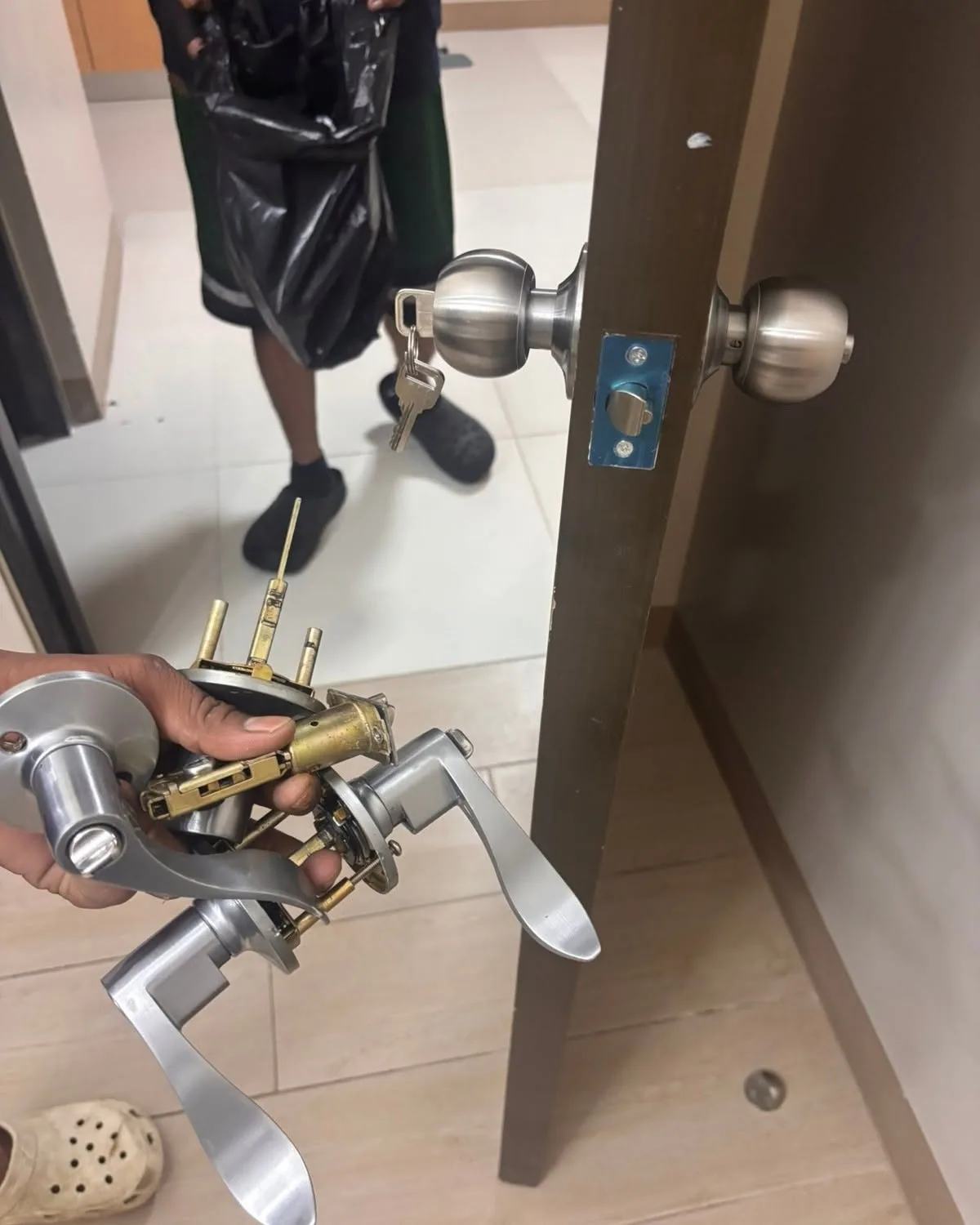
Rekeying changes the locks so every old key stops working and you get fresh keys that only you have. It's usually quick, keeps your existing hardware, and costs less than replacing the locks. For most moves, it's the simplest way to know you're the only one who can get in.
Sometimes replacement makes more sense — if the existing locks are old, worn, corroded (common on coastal homes), or you want to upgrade to a smart lock or a better deadbolt. If you're going to spend on the door anyway, upgrading while you're at it can be worth it.
It's easy to focus on the front door and forget the rest. Think about the back door, the garage service door, a side gate, and any other entry that has a lock. Rekeying them alike means you carry one key for everything — convenient and secure.
Even a brand-new home has had keys floating around — builders, subcontractors and agents often use a construction key or handed copies around during the build. Rekeying a new-construction home resets that so the keys are truly yours.
The best time is right after closing, ideally before you move your belongings in. It's one of those tasks that's easy to postpone and easy to regret postponing. Handling it early lets you settle in knowing exactly who can open your doors: you.
FAQ
Fast, friendly, mobile locksmith service across St. Augustine and Northeast Florida.
