For any landlord or property manager, the gap between one tenant moving out and the next moving in is the right moment to reset access. Rekeying between tenants is a small step with real security value. Here's why it matters and how it works.
When a tenant moves out, you rarely know how many key copies exist. They may have made copies for family, roommates, friends, a pet sitter or a cleaner. Unless you reset the locks, all of those keys still work for the next tenant's unit — which is both a security risk and a liability.
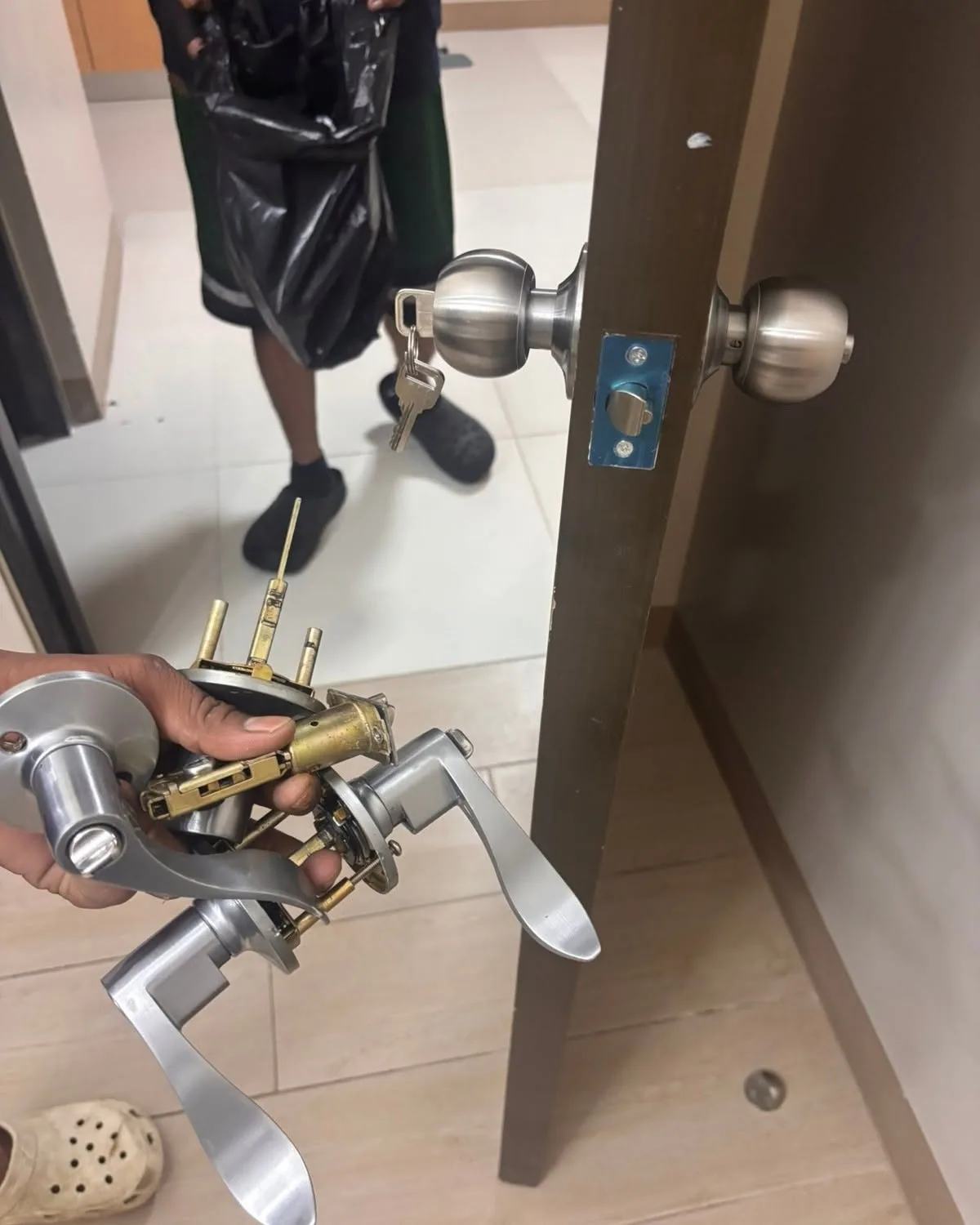
Rekeying changes the unit's locks so every previous key stops working and the new tenant gets keys only they have. It keeps your existing hardware, so it's quick and economical, and it gives the incoming tenant genuine peace of mind that they're the only ones with access.
You almost never need to fully replace locks at every turnover — that's slower and more expensive. Rekeying achieves the security goal while keeping your hardware. Replacement only makes sense when a lock is damaged, worn out, corroded, or you're upgrading. For routine turnover, rekeying is the efficient choice.
Rekeying isn't just a courtesy to the new tenant — it protects you as the owner. If something went wrong and a former tenant's key still worked, that's a problem you don't want to be explaining. Consistent turnover rekeying is part of running a property responsibly.
If turnover is frequent, keypad or smart locks let you simply change the code between tenants instead of rekeying each time — no keys to cut or collect. For busy rentals, that convenience adds up. See our property management locksmith services.
The easiest way to never forget is to build rekeying into your standard turnover checklist, right alongside cleaning and inspection. When it's a routine step rather than an afterthought, access stays under control across your whole portfolio.
FAQ
Fast, friendly, mobile locksmith service across St. Augustine and Northeast Florida.
